Successful Cataract Surgery on a 100-Year-Old Lady by Dr. Nita Rathi at RNH Hospital
Vision plays a vital role in maintaining independence, confidence, and quality of life, especially in senior citizens. As people age, cataracts become one of the most common causes of vision impairment. While many elderly individuals believe they are “too old” for surgery, advancements in ophthalmology have made cataract surgery safer and more effective than ever before.
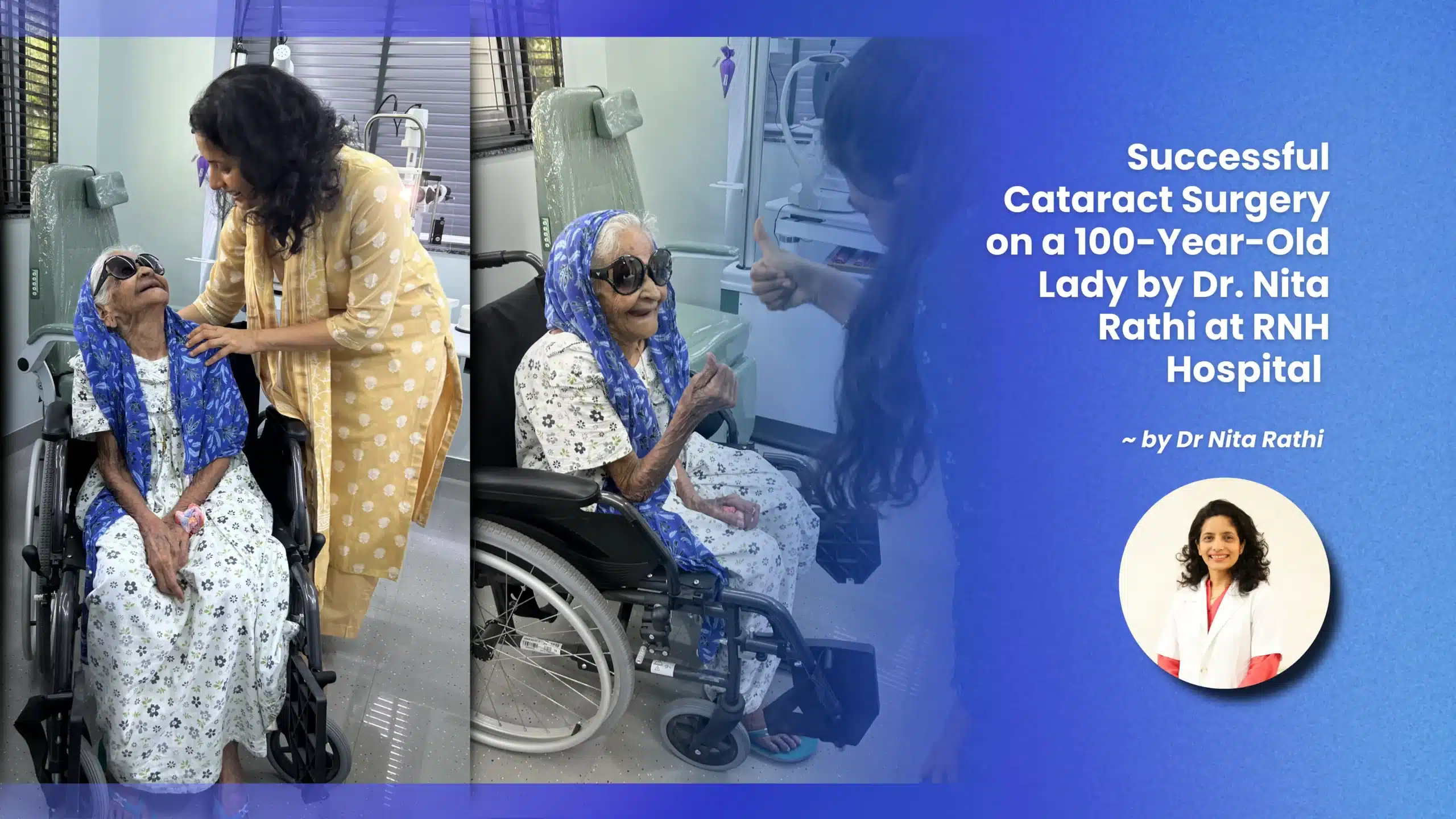
At RNH Hospital, another remarkable milestone has been achieved with the successful cataract surgery of a 100-year-old lady performed by Dr. Nita Rathi, an experienced ophthalmologist committed to restoring clear vision through advanced surgical techniques. This inspiring success story proves that age alone should never be considered a barrier to receiving quality eye care.
In this article, we explore the significance of this achievement, answer common questions about cataract surgery in elderly patients, and explain why timely treatment can transform lives even at an advanced age.
Why Is Cataract So Common in Elderly People?
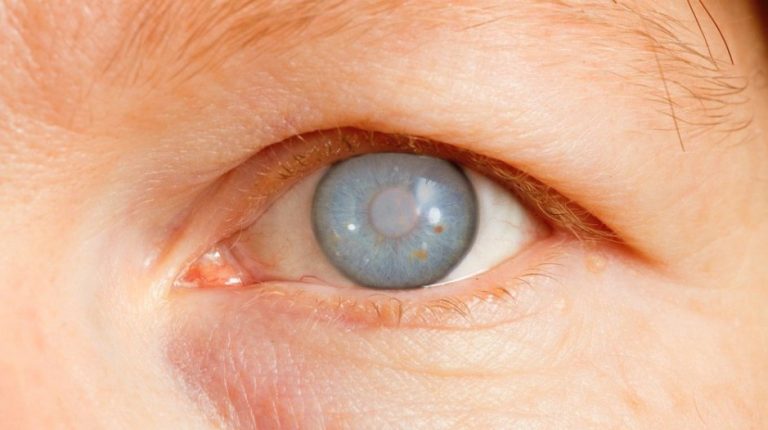
A cataract develops when the natural lens of the eye gradually becomes cloudy due to aging. As the lens loses its transparency, vision becomes blurred, making everyday activities increasingly difficult.
Common symptoms include:
- Blurred or cloudy vision
- Difficulty reading
- Poor night vision
- Increased sensitivity to bright lights
- Frequent changes in spectacle prescription
- Faded or dull colors
- Glare while driving or walking outdoors
Although cataracts usually develop slowly, delaying treatment can significantly affect independence and overall quality of life.
Can a 100-Year-Old Patient Safely Undergo Cataract Surgery?
Yes. Modern cataract surgery is considered one of the safest surgical procedures in the world, and age by itself is not a contraindication.
Before surgery, ophthalmologists carefully evaluate:
- Overall physical health
- Blood pressure
- Blood sugar levels
- Cardiac condition
- Ability to tolerate local anesthesia
- Eye health and retinal condition
If these evaluations indicate that the patient is medically fit, cataract surgery can be safely performed regardless of age.
The successful treatment of a 100-year-old patient at RNH Hospital is an excellent example of how proper planning, advanced technology, and experienced surgical care can deliver outstanding outcomes even for centenarian patients.
What Made This Cataract Surgery a Remarkable Achievement?
Performing surgery on a patient who is 100 years old requires exceptional attention to detail.
Every aspect of care must be carefully managed, including:
- Comprehensive pre-operative assessment
- Detailed eye examination
- Customized surgical planning
- Gentle surgical techniques
- Continuous monitoring throughout the procedure
- Careful post-operative follow-up
Under the expert care of Dr. Nita Rathi, the surgery was successfully completed, allowing the patient to regain clearer vision safely and comfortably.
This achievement reflects both surgical excellence and patient-centered care.
Who Is Dr. Nita Rathi?
Dr. Nita Rathi is a highly experienced ophthalmologist dedicated to diagnosing and treating a wide range of eye conditions. She specializes in modern cataract surgery using advanced microsurgical techniques that prioritize precision, safety, and rapid recovery.
Her patient-focused approach includes:
- Thorough evaluation before surgery
- Personalized treatment planning
- Clear communication with patients and families
- Advanced surgical techniques
- Comprehensive post-operative care
The successful surgery on a 100-year-old patient demonstrates her expertise in handling complex age-related eye conditions with confidence and compassion. To visit Dr Nita Rathi, click here – Location
Why Should Age Never Be a Reason to Delay Cataract Surgery?
Many elderly patients assume that poor vision is simply a natural part of aging and cannot be improved.
This misconception often leads to unnecessary suffering.
Delaying cataract surgery may increase the risk of:
- Falls
- Fractures
- Reduced mobility
- Loss of independence
- Social isolation
- Depression
- Difficulty recognizing faces
- Challenges while eating, reading, or performing daily activities
Restoring vision can significantly improve confidence, safety, and overall well-being, regardless of a patient’s age.
How Does Modern Cataract Surgery Work?
Today’s cataract surgery is performed using minimally invasive techniques.
The procedure generally includes:
- Creating a very small incision
- Removing the cloudy natural lens
- Implanting a clear artificial intraocular lens (IOL)
- Closing without stitches in most cases
The surgery usually takes only a short time and is performed under local anesthesia.
Patients typically return home on the same day.
What Advanced Technology Helps Improve Cataract Surgery Outcomes?
Modern ophthalmology has evolved tremendously over the past decade.
Advanced technology offers several benefits, including:
- Greater surgical precision
- Smaller incisions
- Reduced discomfort
- Faster healing
- Improved visual outcomes
- Lower complication rates
At RNH Hospital, advanced diagnostic equipment and modern surgical techniques help ensure that every patient receives high-quality eye care tailored to their individual needs.
What Challenges Do Surgeons Face While Operating on Very Elderly Patients?
Although cataract surgery is highly successful, elderly patients often require additional precautions.
Some challenges include:
- Multiple medical conditions
- Reduced physical stamina
- Difficulty remaining still
- Age-related eye changes
- Dry eyes
- Dense cataracts
- Increased need for coordinated medical care
Experienced surgeons overcome these challenges through careful planning, teamwork, and individualized treatment.
The successful surgery performed by Dr. Nita Rathi demonstrates the importance of expertise in managing elderly patients safely.
How Can Cataract Surgery Improve Life After the Age of 100?
Vision restoration can dramatically improve daily life.
Patients often experience:
- Better mobility
- Increased confidence
- Improved ability to recognize loved ones
- Easier reading
- Better television viewing
- Greater independence
- Reduced dependence on family members
- Enhanced emotional well-being
Even at 100 years of age, clearer vision can make everyday experiences more enjoyable and meaningful.
What Should Families Know Before Considering Cataract Surgery for Elderly Loved Ones?
Family members often hesitate because they worry about surgery at an advanced age.
However, the decision should always be based on medical fitness rather than chronological age.
Families should:
- Schedule a comprehensive eye examination
- Discuss overall health with the ophthalmologist
- Understand the benefits and risks
- Follow all pre-operative instructions
- Ensure proper post-operative care
- Attend follow-up appointments
With proper medical evaluation, many elderly patients can safely undergo cataract surgery and enjoy significantly improved vision.
What Is the Recovery Process After Cataract Surgery?
Recovery is generally smooth and quick.
Patients are usually advised to:
- Use prescribed eye drops
- Avoid rubbing the eye
- Wear protective glasses if recommended
- Avoid heavy lifting for a short period
- Attend scheduled follow-up visits
Most patients notice improved vision within a few days, while complete healing continues over the following weeks.
Following the doctor’s advice helps ensure the best possible visual outcome.
Why Is Early Diagnosis of Cataracts Important?
Early diagnosis allows patients to receive treatment before vision loss begins affecting daily life.
Routine eye examinations help detect:
- Cataracts
- Glaucoma
- Diabetic eye disease
- Retinal disorders
- Other age-related eye conditions
Regular eye check-ups become increasingly important after the age of 60 and should not be neglected.
What Does This Successful Surgery Mean for Patients and Families?
The successful cataract surgery of a 100-year-old lady at RNH Hospital is more than just a medical achievement—it is a message of hope.
It demonstrates that:
- Advanced age does not automatically prevent surgery.
- Modern cataract procedures are highly safe when performed after proper evaluation.
- Experienced surgeons can successfully manage elderly patients with excellent outcomes.
- Restoring vision can greatly improve quality of life, independence, and confidence.
For countless families caring for elderly loved ones, this achievement serves as reassurance that clear vision can still be possible, even in the later years of life.
Conclusion
The successful cataract surgery performed by Dr. Nita Rathi on a 100-year-old lady at RNH Hospital stands as an inspiring example of how modern medicine continues to transform lives. Through advanced technology, meticulous surgical planning, and compassionate patient care, even patients of exceptional age can safely undergo vision-restoring procedures.
If you or a loved one is experiencing symptoms such as blurred vision, glare, difficulty reading, or reduced clarity due to cataracts, do not assume that age is a barrier to treatment. A comprehensive eye evaluation by an experienced ophthalmologist can determine the most appropriate course of action.
At RNH Hospital, the focus remains on delivering advanced eye care with precision, safety, and compassion—helping patients of every age enjoy the priceless gift of clear vision.