Understanding ACL, Meniscus & Shoulder Injuries — Why Early Arthroscopy Matters
Sports and active lifestyles bring immense benefits, but they also come with the risk of orthopedic injuries. Among these, Anterior Cruciate Ligament (ACL) tears, meniscus injuries, and shoulder injuries are some of the most common and potentially performance-limiting conditions we treat at RNH Hospital. Timely and accurate diagnosis, paired with the latest minimally invasive techniques such as arthroscopy, can dramatically improve outcomes, reduce recovery times, and protect joint health over the long term.
ACL Injuries: The Hidden Threat in Active Individuals
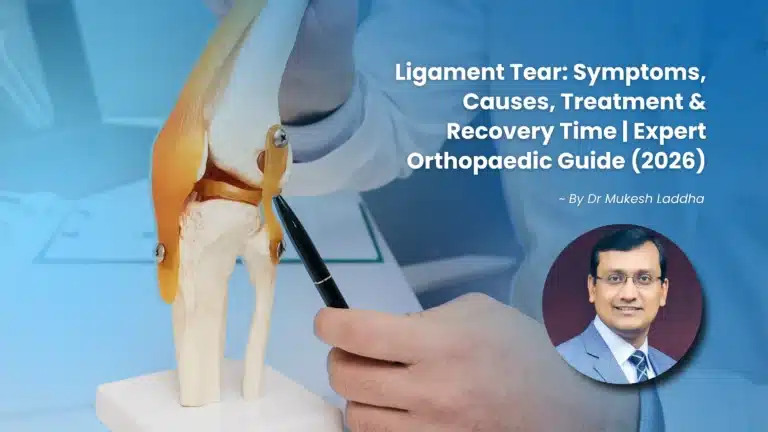
The Anterior Cruciate Ligament (ACL) is a critical stabilizer of the knee, especially during rapid direction changes, pivoting, and jumping — actions seen in sports like football, basketball, and tennis. A torn ACL not only causes pain and instability but also increases the risk of secondary cartilage and meniscal damage if left untreated. Early reconstruction — ideally within the first few weeks to months after the injury — has been shown to protect the meniscus and reduce further intra-articular damage. Emerging evidence suggests that performing ACL reconstruction within 3 months of injury helps preserve meniscal tissue and enhances repairability compared to delayed surgery.
Without adequate ligament support, the knee becomes unstable. This instability accelerates wear of the meniscus and cartilage, leading to early degenerative changes and functional decline — particularly concerning for athletes and young, active adults.
Meniscus Injuries: More Than Just a Tear
The meniscus serves as a shock absorber and load distributor in the knee. Tears commonly accompany ACL injuries, especially in twisting injuries or traumatic falls. Early intervention via arthroscopy allows surgeons to directly visualize the meniscus, assess its viability, and often repair rather than remove the damaged tissue. Preserving the meniscus is crucial; meniscal repair significantly lowers the risk of early osteoarthritis and preserves knee biomechanics.
Shoulder Injuries: The Price of High-Demand Activities
Shoulder injuries — including rotator cuff tears, labral tears (e.g., SLAP lesions), and recurrent instability — are highly prevalent in overhead athletes, such as swimmers, tennis players, and throwers. These injuries often manifest as pain, weakness, and a sensation of catching or locking in the joint. Arthroscopy has revolutionized shoulder care by enabling precise diagnosis and repair with minimal soft-tissue disruption, preserving function while accelerating rehabilitation timelines.
The Power of Arthroscopy: Why Early Is Better
Arthroscopy — often called “keyhole surgery” — is a minimally invasive technique in which a small camera and instruments are introduced into the joint through tiny incisions. This approach delivers several advantages compared to traditional open surgery:
● Accurate Diagnosis & Targeted Treatment — Surgeons can see inside the joint in real time and treat multiple pathologies in one setting.
● Less Tissue Trauma — Smaller incisions mean reduced pain, less swelling, and faster recovery.
● Faster Return to Activity — Arthroscopy aligns with modern rehabilitation protocols, enabling early mobilization and sport-specific training.
● Preservation of Joint Health — Early arthroscopic intervention offers the best chance to repair structures like the meniscus and rotator cuff, which preserves long-term joint integrity.
Delaying arthroscopic evaluation — especially after acute injuries — can mean missed opportunities for tissue preservation and increased risk of chronic joint damage. Whether it’s an ACL tear, meniscus pathology, or a shoulder ligament injury, early arthroscopy ensures comprehensive assessment and timely management before irreversible changes take hold.
Central India’s First Advanced Orthopedic Centre — A Game Changer
At RNH Hospital, we are proud to pioneer Central India’s first Advanced Orthopedic Centre (AOC) — a dedicated facility focused on cutting-edge orthopedic and sports injury care. This state-of-the-art center is uniquely equipped with advanced diagnostic tools, modern arthroscopic systems, robotic surgical technologies, and multidisciplinary expertise aimed at delivering world-class care for ligament, cartilage, and joint injuries. Our AOC combines evidence-based practices with compassionate, patient-centric care — from early arthroscopy to personalized rehabilitation programs — ensuring athletes and active individuals not only recover but return stronger and safer. This integrated model supports seamless transition from diagnosis
to surgical care and structured recovery, emphasizing minimal downtime and optimal functional restoration.
Final Thoughts
ACL, meniscus, and shoulder injuries can be life-altering for athletes and active individuals. But with modern orthopedic advances — led by early arthroscopic evaluation and meticulous repair techniques — these injuries no longer mean prolonged disability or performance decline. Timely arthroscopy not only treats the injury but protects the joint’s future.
At RNH Hospital’s Advanced Orthopedic Centre, our mission is to provide the highest standard of sports medicine and arthroscopic care — helping patients return to life, sport, and mobility with confidence and resilience.