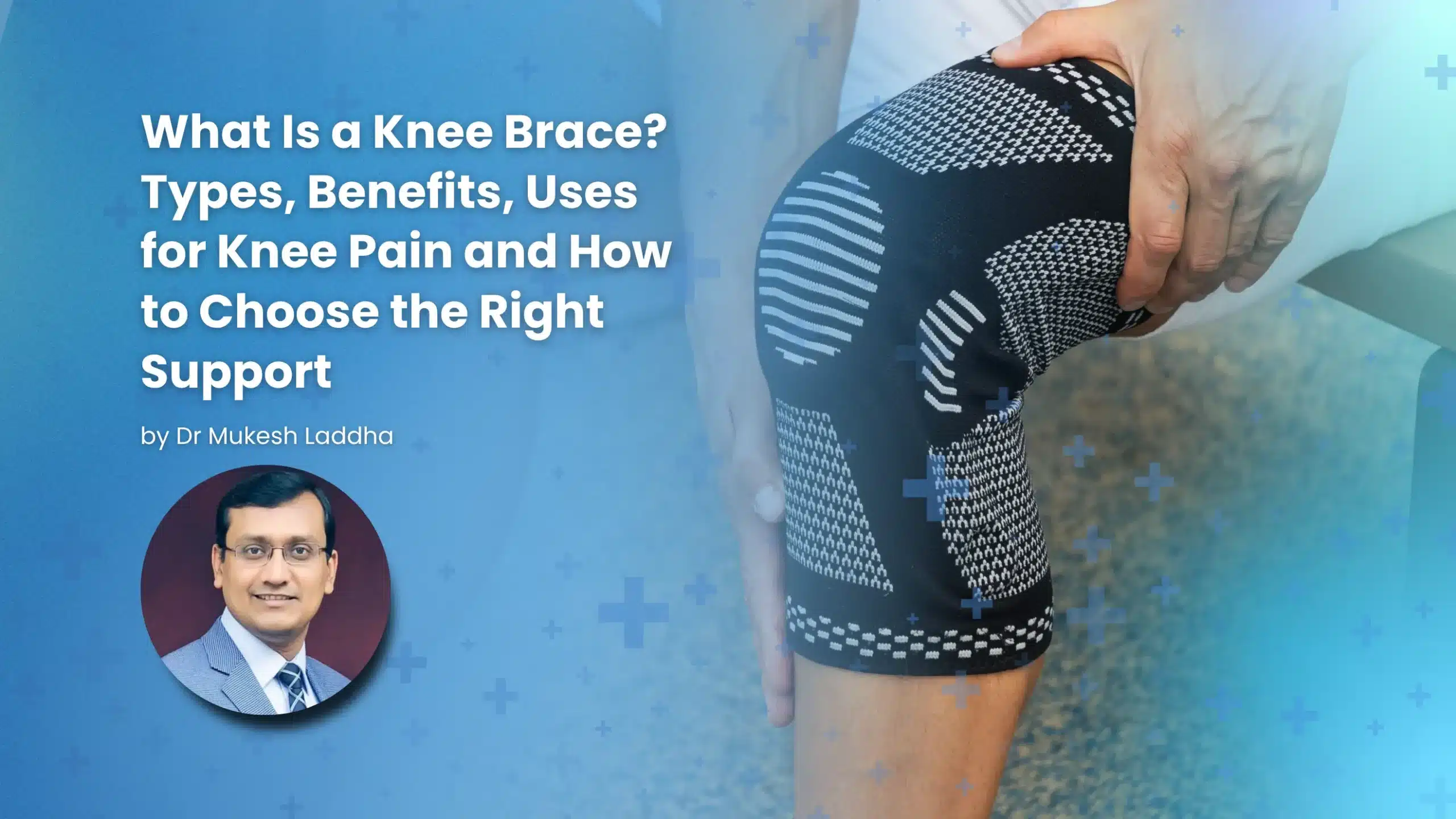
What Is a Knee Brace? Types, Benefits, Uses for Knee Pain and How to Choose the Right Support
Knee pain can affect everyday activities such as walking, climbing stairs, exercising, standing for long periods, and getting up from a chair. It may develop due to osteoarthritis, ligament injuries, sports injuries, overuse, or recovery after knee surgery. Depending on the underlying condition, an orthopaedic specialist may recommend a knee brace to provide support, improve stability, and help manage symptoms during daily activities.
But what is a knee brace, how does it work, and which type is suitable for different knee problems? From a hinged knee brace to a long knee brace or a knee brace for knee pain, different designs serve different purposes.
This guide explains the uses, types, benefits, limitations, and selection of knee braces, along with important considerations when choosing products such as a Tynor knee brace. Understanding these factors can help you make informed decisions about knee health and when to consult an orthopaedic specialist.
What Is a Knee Brace?
A knee brace is an external support worn around the knee joint to provide compression, stability, or controlled movement, depending on its design. It may be made from elastic fabric, neoprene, foam, metal hinges, plastic components, or a combination of materials.
A knee brace can help support the knee during certain activities, reduce unwanted movement, and improve confidence while walking or exercising. Some braces are designed for mild support, while others are intended for specific ligament injuries, postoperative recovery, or more complex orthopaedic conditions.
The right knee brace depends on several factors, including the cause of knee pain, the degree of instability, the person’s activity level, and the treatment plan recommended by a healthcare professional.
It is important to understand that a knee brace does not cure every knee condition. It is generally used as one component of a broader treatment plan that may include physiotherapy, therapeutic exercises, medication prescribed by a doctor, activity modification, or surgery when indicated.
Why Is a Knee Brace Used?
A knee brace may be recommended when additional support is needed to manage symptoms or protect the knee during recovery.
Common reasons for using a knee brace include:
- Knee pain: Providing support during certain daily activities when recommended by a clinician.
- Ligament injuries: Helping control movement following injuries involving ligaments such as the ACL or MCL.
- Osteoarthritis: Supporting the knee in selected cases as part of an individualised treatment plan.
- Sports injuries: Providing stability during rehabilitation or a safe return to sport when appropriate.
- Postoperative recovery: Restricting or controlling knee movement according to the surgeon’s instructions.
- Knee instability: Helping people who experience a feeling that the knee may give way.
- Rehabilitation: Supporting movement while a person gradually rebuilds strength and function.
Not everyone with knee pain needs a brace. Identifying the underlying cause is essential before choosing a particular type of support.
What Are the Different Types of Knee Braces?
Different knee braces are designed to address different problems. Choosing the correct design is more important than simply selecting the most expensive or most popular product.
1. Hinged Knee Brace
A hinged knee brace contains supportive hinges positioned along the sides of the knee. These hinges allow controlled bending and straightening while helping limit certain unwanted movements.
Hinged braces may be recommended for selected ligament injuries, knee instability, and rehabilitation following particular injuries or procedures.
Potential benefits include:
- Additional support around the knee joint.
- Controlled movement, depending on the brace design.
- Improved stability during selected activities.
- Assistance with prescribed rehabilitation.
Some hinged knee braces have adjustable movement limits, while others provide relatively simple side support. A specialist should determine whether a hinged design is suitable for your condition.
2. Long Knee Brace
A long knee brace extends farther above and below the knee than a shorter support. Depending on its design, it may provide additional coverage, stability, or movement control.
Long knee braces can be used in selected situations involving ligament injuries, postoperative rehabilitation, or conditions that require support extending along the thigh and lower leg.
However, the term “long knee brace” describes a general design rather than one specific medical function. Some long braces are flexible supports, while others are rigid or hinged.
Before purchasing one, check its intended use, sizing, adjustment options, and whether it meets your orthopaedic specialist’s recommendations.
3. Knee Compression Sleeve
A knee compression sleeve is usually made from an elastic or stretchable material that fits around the knee.
It provides gentle compression and may offer a feeling of support during walking, exercise, or other everyday activities.
A compression sleeve may be suitable for some people with mild discomfort or a need for light support. However, it generally does not provide the same movement control as a rigid or hinged brace.
It should not be considered a substitute for a properly prescribed brace when substantial joint instability or movement restriction is present.
4. Knee Support with a Patella Opening
Some knee supports have an opening or reinforced area around the kneecap, also known as the patella.
These designs may be used for selected conditions involving discomfort around the kneecap. Their suitability depends on the source of the pain and the construction of the support.
A patella-supporting brace is not automatically appropriate for every type of knee pain. An accurate assessment can help determine whether the symptoms originate from the kneecap, cartilage, tendons, ligaments, or another structure.
5. Functional Knee Brace
A functional knee brace is designed to provide support following certain ligament injuries or when the knee needs additional stability during movement.
Some designs use rigid side supports and hinges to help control motion. They may be considered during rehabilitation or a return to sporting activities, depending on the injury and treatment plan.
A functional brace should be selected with professional guidance because the correct fit and design depend on the specific injury and level of instability.
6. Postoperative or Immobilising Knee Brace
A postoperative knee brace may be prescribed after certain knee surgeries or significant injuries.
Depending on the model, it may restrict movement, keep the knee in a particular position, or allow gradual increases in movement according to the prescribed rehabilitation plan.
These braces must be adjusted and used according to the surgeon’s instructions. Changing the movement settings independently may interfere with the intended treatment.
How Does a Knee Brace Help with Knee Pain?
A knee brace for knee pain may help by providing external support, improving the feeling of stability, and assisting with movement control in selected conditions.
The benefits depend on the diagnosis, the brace design, and how well it fits.
Provides Support During Movement
A suitable knee brace may help support the joint during walking, standing, and other activities. This can be particularly helpful for people who experience instability or need additional support during rehabilitation.
May Improve Confidence While Walking
Some people feel more confident when moving with a properly fitted brace. This can be useful when returning gradually to everyday activities after an injury, provided the activity is appropriate for the condition.
May Help Manage Symptoms of Osteoarthritis
For some people with knee osteoarthritis, a specialist may recommend an unloading brace designed to reduce pressure on a particular area of the joint.
The benefit varies from person to person. A brace should be considered alongside other recommended treatments, such as strengthening exercises, activity modification, weight management when appropriate, and medical review.
Supports Selected Sports Injuries
Certain braces may help control movement during rehabilitation after ligament injuries. However, a brace does not guarantee protection against further injury and should not be used to justify returning to sport before the knee is ready.
Assists with Postoperative Rehabilitation
After some knee operations, a prescribed brace may help maintain the required position or control movement during recovery. Its use should follow the treating surgeon’s instructions.
What Is a Tynor Knee Brace?
A Tynor knee brace is a knee-support product from Tynor, a brand known for orthopaedic supports and mobility-related products.
Depending on the specific model, a Tynor knee brace may be designed to provide compression, support around the kneecap, or additional stability through a hinged or reinforced structure.
Before selecting a Tynor knee brace, consider the following:
- Intended use: Confirm whether the model is designed for mild support, ligament-related stability, or another purpose.
- Correct size: Follow the manufacturer’s measurement instructions to select an appropriate fit.
- Material and comfort: Consider breathability, flexibility, skin sensitivity, and comfort during the intended period of use.
- Movement control: Check whether the design provides the level of stability or restriction recommended by your clinician.
- Medical suitability: Confirm that the product is appropriate for your particular injury or condition.
The brand name alone does not determine whether a brace is suitable. Different models serve different purposes, and a product that works for one person may not be appropriate for another.
How to Choose the Right Knee Brace for Your Condition
Choosing the right knee brace starts with understanding why the knee hurts or feels unstable.
1. Identify the cause of knee pain. Knee pain may result from osteoarthritis, ligament injuries, tendon problems, meniscus injuries, overuse, or other conditions. A clinical assessment can help establish the likely cause.
2. Match the brace to the condition. A compression sleeve may provide light support, while a hinged knee brace may be considered when greater movement control is required. A postoperative brace should be used only according to the prescribed plan.
3. Measure your knee correctly. Follow the manufacturer’s sizing guide. Depending on the design, measurements may be required around the knee, thigh, or calf.
4. Check the fit. The brace should sit in the intended position without excessive tightness, slipping, or painful pressure. It should not cause numbness, tingling, skin discolouration, or increased discomfort.
5. Consider your daily activities. The requirements for walking, work, exercise, and sports can differ. Discuss the intended activities with your healthcare professional.
6. Follow professional guidance. If you have significant swelling, persistent pain, a recent injury, or a history of knee surgery, seek advice before choosing a brace independently.
Can a Knee Brace Be Worn Every Day?
Some knee braces can be worn during daily activities, while others are intended for specific periods or situations.
The appropriate duration depends on the type of brace, the underlying condition, skin tolerance, and medical advice. A person recovering from surgery may have different instructions from someone using a compression sleeve for mild discomfort.
Avoid wearing a brace more tightly than recommended. Check your skin regularly and follow the manufacturer’s cleaning and maintenance instructions.
If the brace causes increased pain, swelling, numbness, tingling, or changes in skin colour or temperature, remove it if safe to do so and seek medical advice. Sudden or severe symptoms require prompt assessment.
Long-term use of a brace should be reviewed when appropriate. Depending on the condition, strengthening the muscles around the knee and improving movement may also be important parts of rehabilitation.
Knee Brace vs Knee Physiotherapy: What Is the Difference?
A knee brace and physiotherapy serve different purposes and may be used together.
A brace provides external support or movement control. Physiotherapy focuses on improving strength, mobility, balance, movement patterns, and functional ability through an individually designed rehabilitation programme.
For example, someone recovering from a ligament injury may need a prescribed brace during a particular phase of recovery, together with supervised exercises to rebuild strength and control.
For some people with knee osteoarthritis, strengthening exercises and other conservative treatments may help improve function, while a brace may provide additional symptom relief in selected cases.
Neither approach is suitable in exactly the same way for every patient. The treatment plan should reflect the diagnosis, symptom severity, physical abilities, and recovery goals.
When Should You Consult an Orthopaedic Specialist?
Knee pain should not always be managed with a brace alone. Professional assessment is particularly important when symptoms persist, worsen, or interfere with daily activities.
Consult an orthopaedic specialist if you experience:
- Persistent knee pain or swelling.
- Repeated episodes of the knee giving way.
- Difficulty bending or straightening the knee.
- Pain that limits walking or climbing stairs.
- Symptoms following a sports injury.
- Knee discomfort that continues despite appropriate self-care.
Seek urgent medical assessment after a major injury if you cannot bear weight, the knee appears deformed, or swelling develops rapidly. A hot, red knee accompanied by fever also requires urgent evaluation.
A healthcare professional can assess the knee, recommend appropriate investigations when necessary, and determine whether a brace, physiotherapy, medication, or another treatment is appropriate.
Knee Brace FAQs
1. Which knee brace is best for knee pain?
The best knee brace depends on the cause of the pain. A compression sleeve may provide light support, while a hinged knee brace may be recommended for certain instability or ligament problems. An orthopaedic assessment can help determine the right option.
2. What is a hinged knee brace used for?
A hinged knee brace provides side support and helps control movement. It may be recommended for selected ligament injuries, instability, or rehabilitation following particular injuries or procedures.
3. What is a long knee brace?
A long knee brace extends farther above and below the knee than a shorter support. Its function depends on the design, which may range from flexible support to a rigid or hinged brace.
4. Is a Tynor knee brace good for knee pain?
A Tynor knee brace may be suitable when its specific design matches the person’s needs. Check the model, fit, and intended use, and seek professional guidance if the pain is persistent or related to an injury.
5. Can a knee brace cure knee pain?
A knee brace does not cure every cause of knee pain. It may help manage symptoms or support movement in selected conditions, but treatment should address the underlying problem.
6. Can I wear a knee brace while walking?
Many knee braces are designed for walking, but suitability depends on the condition and brace type. Follow your clinician’s instructions, especially after an injury or surgery.
7. Should I wear a knee brace while sleeping?
Not every knee brace should be worn during sleep. Follow the instructions provided by your surgeon or healthcare professional, particularly if the brace is intended to restrict movement after surgery.
8. Can physiotherapy help with knee pain?
Physiotherapy may help improve knee strength, mobility, balance, and function, depending on the underlying condition. A physiotherapist can recommend exercises appropriate to the patient’s needs and recovery stage.
Get Expert Guidance for Knee Pain at RNH Hospital, Nagpur
Choosing a knee brace is easier when you understand the cause of your symptoms and the type of support your knee needs. Whether you are considering a hinged knee brace, a long knee brace, a compression sleeve, or a Tynor knee brace, the right choice depends on your diagnosis, comfort, and treatment goals.
At RNH Hospital, Nagpur, patients can seek orthopaedic evaluation for knee pain, joint problems, injuries, and other musculoskeletal concerns. An appropriate assessment can help determine whether a knee brace, physiotherapy, further investigations, or another treatment approach is suitable.
Do not ignore persistent knee pain or repeated instability. Consult an orthopaedic specialist to understand your condition and make informed decisions about your knee health.
Take the next step towards better knee health with professional orthopaedic guidance at RNH Hospital, Nagpur.
Medical disclaimer: This article is for general educational purposes only and is not a substitute for professional medical advice, diagnosis, or treatment. Always consult a qualified healthcare professional regarding persistent knee pain, injuries, or the use of an orthopaedic brace.