Cataracts Treatment in Nagpur: Complete Guide to Symptoms, Surgery, IOLs & Recovery
Cataracts are one of the most common causes of vision problems, particularly with increasing age. A cataract develops when the normally clear natural lens of the eye becomes cloudy, causing blurred or hazy vision. Over time, cataracts can interfere with reading, driving, recognising faces and performing everyday activities.
The good news is that cataracts treatment is well established, and cataract surgery can restore clear vision in many patients. Modern cataract surgery involves removing the cloudy natural lens and replacing it with an artificial intraocular lens (IOL) selected according to the patient’s eye condition, lifestyle and visual requirements.
This comprehensive guide explains what is cataract, its symptoms and causes, how to treat cataracts, when surgery may be required, IOL options, recovery and frequently asked questions.
What Is a Cataract?
A cataract is a clouding of the natural lens inside the eye. The lens normally focuses light onto the retina, helping us see clear images. When the lens becomes cloudy, light cannot pass through it normally, resulting in changes in vision.
An eye cataract usually develops gradually. In the early stages, a person may not notice significant symptoms. As the cataract progresses, vision may become increasingly blurred or hazy.
Cataracts can affect one or both eyes. However, a cataract in one eye does not spread to the other eye.
What Causes Cataracts?
Age-related changes in the eye are a major cause of cataracts. However, cataracts can also develop due to other factors.
Common risk factors include:
- Increasing age
- Diabetes
- Previous eye injury or surgery
- Long-term use of certain medicines, such as corticosteroids
- Prolonged exposure to ultraviolet radiation
- Smoking
- Certain medical conditions
- Family history of cataracts
- Congenital or childhood conditions affecting the lens
Having one or more risk factors does not necessarily mean that a person will develop cataracts, but regular eye examinations can help detect changes at an early stage.
Common Symptoms of Cataracts
Cataract symptoms can develop slowly and may initially be difficult to notice.
Common symptoms include:
- Blurred or cloudy vision
- Difficulty seeing clearly at night
- Increased sensitivity to bright lights or glare
- Halos around lights
- Faded or less vibrant colours
- Frequent changes in spectacle prescription
- Difficulty reading or performing close-up activities
- Reduced contrast or visual clarity
- Difficulty driving, particularly at night
- Double vision in one eye in some cases
If these symptoms begin affecting daily activities, an eye examination is recommended.
How Are Cataracts Diagnosed?
An eye specialist can diagnose cataracts through a comprehensive eye examination.
Depending on the patient’s condition, the evaluation may include:
- Visual acuity testing
- Refraction testing
- Slit-lamp examination
- Eye pressure measurement
- Dilated eye examination
- Retinal evaluation
- Biometry and other measurements before cataract surgery
The eye specialist also evaluates other conditions that could affect vision, such as glaucoma, retinal disease or corneal problems.
How to Treat Cataracts?
The appropriate cataracts treatment depends on how much the cataract is affecting vision and daily activities.
Early-Stage Cataracts
When a cataract is mild and does not significantly interfere with everyday activities, immediate surgery may not always be necessary.
An eye specialist may recommend:
- Updated spectacles
- Improved lighting for reading
- Anti-glare measures
- Regular eye examinations
- Managing associated health conditions
These measures can help manage vision-related difficulties, but they do not remove the cataract.
Cataract Surgery
As cataracts progress, spectacles may no longer provide sufficient improvement. When reduced vision begins interfering with activities such as reading, driving, working or daily independence, the ophthalmologist may recommend cataract surgery.
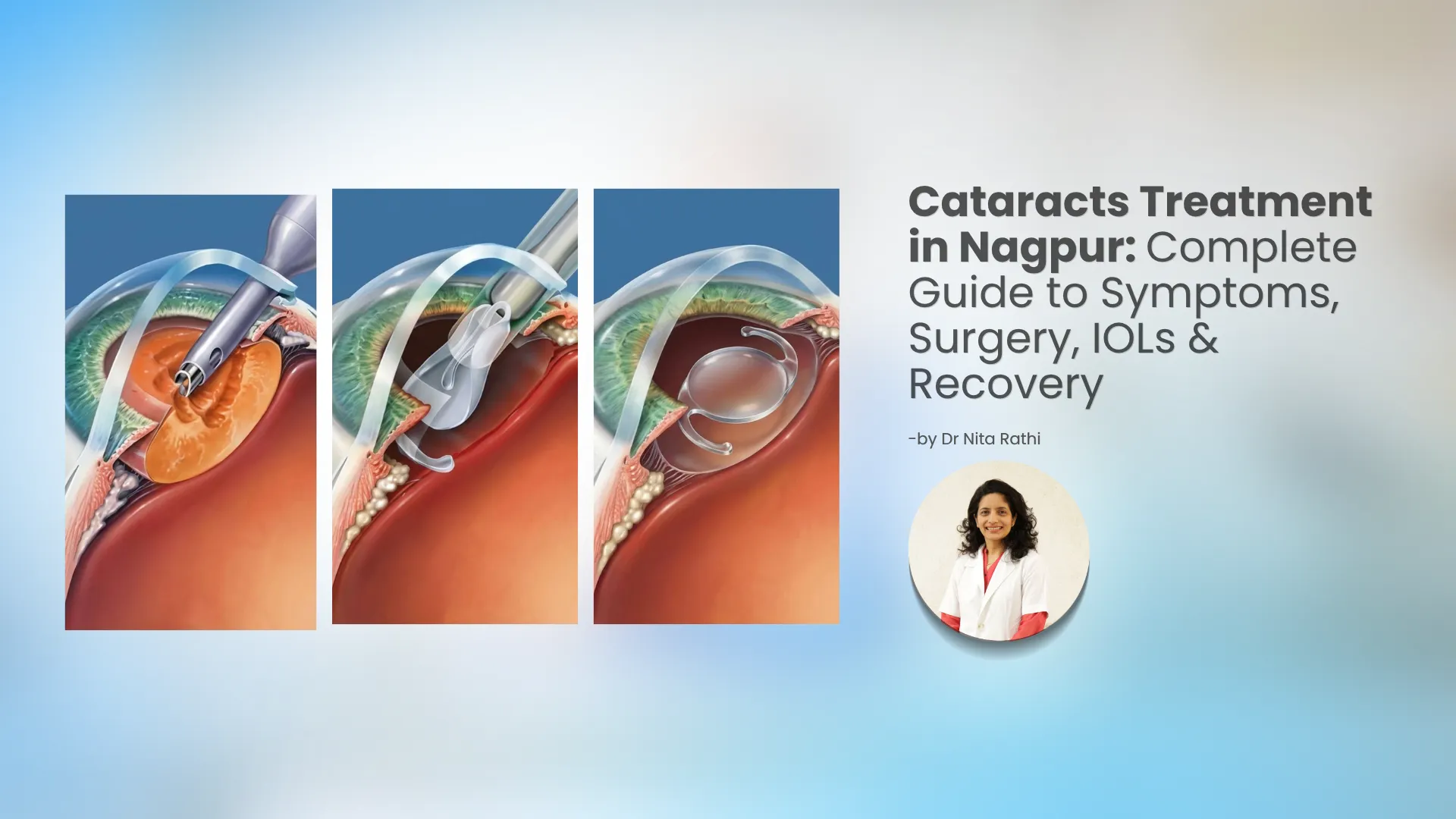
Cataract surgery involves removing the cloudy natural lens and replacing it with an artificial intraocular lens.
Can Cataracts Be Cured Without Surgery?
One of the most common questions patients ask is, “Can cataracts be cured without surgery?”
Currently, there is no established medicine, eye drop or lifestyle treatment that removes an established cataract from the natural lens.
In the early stages, vision may sometimes be managed with updated spectacles and appropriate lighting. However, when the cataract significantly affects vision, cataract surgery is the established treatment for removing the cloudy lens.
Patients should consult an ophthalmologist rather than relying on products marketed as a “cataract cure.”
Medical Management of Cataract
The term medical management of cataract generally refers to managing symptoms and associated conditions while monitoring the progression of the cataract.
This can include:
- Regular eye examinations
- Correcting refractive errors
- Managing diabetes and other relevant health conditions
- Using appropriate lighting
- Addressing glare and night-vision difficulties
- Monitoring changes in vision
Medical management may be appropriate when the cataract is not yet significantly affecting a person’s daily life. The need for surgery is determined through an individual eye examination.
When Is Cataract Surgery Needed?
There is no single visual-acuity number that determines when every person needs cataract surgery.
Surgery may be considered when cataracts cause problems such as:
- Difficulty reading
- Difficulty driving
- Problems performing work-related tasks
- Difficulty recognising faces
- Significant glare or halos
- Reduced independence
- Vision that interferes with normal daily activities
An ophthalmologist will assess the cataract, overall eye health and the patient’s visual requirements before recommending treatment.
What Happens During Cataract Eye Surgery?
Cataract eye surgery is performed to remove the cloudy natural lens and replace it with an artificial lens.
The general process includes:
1. Preoperative Eye Evaluation
The eye is carefully examined and measurements are taken to help determine the appropriate intraocular lens.
2. Anaesthesia
Cataract surgery is commonly performed using local or topical anaesthesia, depending on the patient’s circumstances and the surgeon’s approach.
3. Removal of the Cloudy Lens
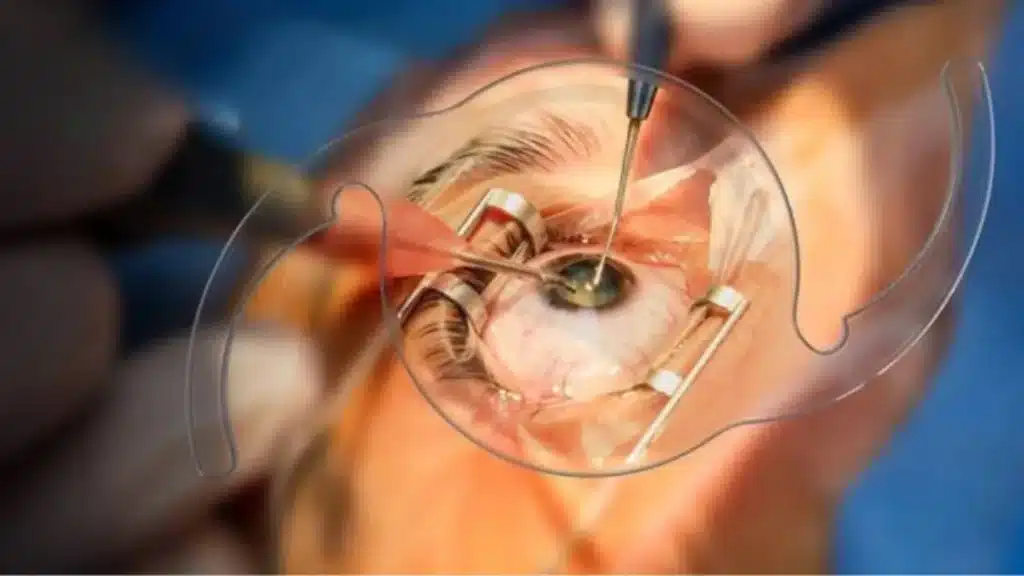
The surgeon uses a small incision and specialised surgical techniques to remove the cloudy natural lens.
4. Insertion of an IOL
An artificial intraocular lens (IOL) is placed inside the eye to replace the natural lens.
5. Postoperative Monitoring
The patient receives postoperative instructions and medications and is scheduled for follow-up examinations.
The exact surgical technique and treatment plan can vary depending on the patient’s eye health and individual requirements.
Types of Intraocular Lenses (IOLs)
One important part of cataract surgery is selecting an appropriate IOL.
Depending on the patient’s eye condition and visual needs, options may include:
Monofocal IOL
A monofocal lens generally provides clear vision at one primary distance, such as distance vision. Spectacles may still be required for some other activities.
Multifocal or Trifocal IOL
These lenses are designed to provide vision at more than one distance. They may reduce dependence on glasses for selected patients, although they are not suitable for everyone.
Toric IOL
Toric lenses are designed to correct certain amounts of corneal astigmatism during cataract surgery.
The choice of IOL should be based on a detailed eye examination, measurements, lifestyle requirements and discussion with the ophthalmologist.
Cataract Surgery Recovery
Recovery after cataract surgery varies from person to person.
Patients are generally advised to:
- Use prescribed eye drops as directed
- Avoid rubbing or pressing the operated eye
- Attend scheduled follow-up appointments
- Protect the eye according to the surgeon’s instructions
- Avoid strenuous activities for the period recommended by the surgeon
- Report unusual symptoms promptly
Vision may improve relatively quickly after surgery, but complete visual stabilisation can take additional time.
Patients should follow their ophthalmologist’s specific postoperative instructions rather than relying on general recovery timelines.
How Can You Reduce the Risk of Cataracts?
Not all cataracts can be prevented, particularly age-related cataracts. However, maintaining overall eye and general health may help reduce certain risk factors.
Helpful measures can include:
- Protecting the eyes from excessive ultraviolet exposure
- Not smoking
- Managing diabetes and other health conditions
- Eating a balanced diet
- Having regular eye examinations
- Protecting the eyes from injury when appropriate
Why Regular Eye Check-Ups Matter
Cataracts are only one possible cause of reduced vision. Similar symptoms can occur with conditions affecting the retina, optic nerve, cornea or other parts of the eye.
Regular comprehensive eye examinations can help identify cataracts and other eye conditions at an appropriate stage.
People experiencing persistent blurred vision, glare, difficulty seeing at night or other changes in vision should consult an eye specialist for evaluation.
Frequently Asked Questions About Cataracts Treatment
1. What is cataract?
A cataract is clouding of the natural lens of the eye that can cause blurred or hazy vision.
2. What is the best treatment for cataracts?
For a cataract that significantly affects vision, cataract surgery is the established treatment. The appropriate timing depends on the patient’s symptoms, daily activities and eye health.
3. How to treat cataracts in the early stage?
Early cataracts may sometimes be managed with updated spectacles, better lighting and regular monitoring. These measures do not remove the cataract.
4. Can cataracts be cured without surgery?
An established cataract cannot currently be removed with medicines or eye drops. When vision is significantly affected, cataract surgery may be recommended.
5. Is cataract surgery safe?
Cataract surgery is a commonly performed eye procedure, but like any surgery, it carries potential risks. An ophthalmologist can explain the benefits, risks and suitability for an individual patient.
6. What is an IOL?
An intraocular lens, or IOL, is an artificial lens implanted inside the eye to replace the natural lens removed during cataract surgery.
7. Can cataracts come back after surgery?
A cataract does not grow back after the cloudy natural lens has been removed. However, some patients can develop clouding of the capsule behind the IOL, known as posterior capsule opacification (PCO), which can usually be treated with a laser procedure.
8. How long does cataract surgery recovery take?
Recovery varies between individuals. Many patients notice improvement in vision relatively soon, while complete visual stabilisation can take longer. The ophthalmologist provides personalised postoperative guidance.
Cataracts Treatment at RNH Hospital, Nagpur
At RNH Hospital, Nagpur, patients can undergo comprehensive eye evaluation for cataracts and other vision-related conditions. The ophthalmology department provides evaluation and treatment based on each patient’s eye health and visual requirements.
Dr. Nita Rathi and the ophthalmology team provide eye-care services including cataract treatment, intraocular lens (IOL) procedures, LASIK, glaucoma, cornea, retina, dry eye, uvea, pterygium, squint and other ophthalmic services.
If you are experiencing blurred vision, glare, difficulty seeing at night or other changes in eyesight, an eye examination can help determine whether cataracts or another eye condition is responsible.
RNH Hospital
Plot No. 40, Balraj Marg, Dhantoli, Nagpur, Maharashtra – 440012
Conclusion
Cataracts treatment depends on the severity of the cataract and how much it affects a person’s vision and everyday activities. Early cataracts may be monitored and managed with vision correction, while cataract surgery may be recommended when the condition significantly interferes with daily life.
Understanding the symptoms, diagnosis, treatment options, IOL choices and recovery process can help patients have a more informed discussion with their ophthalmologist about their eye health.
If you notice a persistent change in vision, schedule a comprehensive eye examination with an eye specialist rather than delaying evaluation